
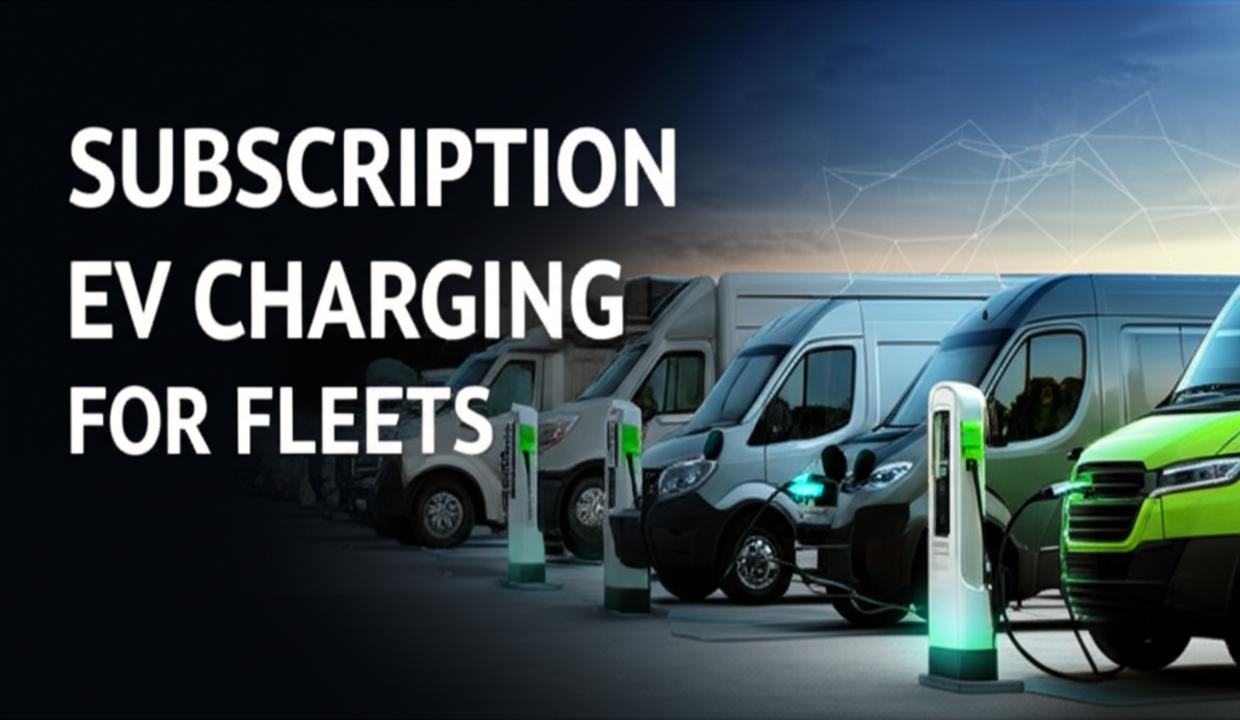
The landscape of commercial transportation is undergoing a profound transformation. As businesses increasingly embrace electric vehicles (EVs) to reduce operational costs and meet sustainability goals, the challenge of powering these fleets efficiently and affordably becomes paramount. This is where EV fleet charging contracts, particularly those leveraging a subscription charging for fleets model, emerge as a revolutionary solution. Instead of hefty upfront investments, companies can now access comprehensive commercial EV charging infrastructure and services through flexible, manageable monthly payments.
This article will delve into the intricacies of these innovative contracts. We’ll explore how subscription models offer unparalleled flexibility, streamline operations, and pave the way for a greener future for businesses of all sizes. From infrastructure options to smart energy management, discover how these agreements are redefining EV charging solutions for the modern fleet.
Understanding Subscription Charging for Fleets
Gone are the days when electrifying your fleet meant purchasing every vehicle and installing all the charging hardware yourself. The subscription model structure for EV fleets offers a nimble alternative. Businesses pay a predictable monthly fee, gaining access to a fleet of electric vehicles along with all necessary related services.
This approach bypasses the significant capital expenditures typically associated with vehicle purchases or long-term leases. It also provides scalability, allowing businesses to adjust their fleet size and charging needs without large, rigid commitments. This flexibility is a major draw for companies navigating the evolving EV market, making it an attractive option for electric vehicle subscription models.
Subscription contracts are highly customizable. They can be tailored to meet the unique requirements of various fleet operations, from last-mile delivery services to utility vehicles. This bespoke nature ensures that businesses only pay for what they truly need, optimizing their budget and resource allocation.
Key Components of Subscription EV Fleet Charging
A robust EV fleet charging ecosystem hinges on several critical components. Subscription contracts bundle these elements, offering a seamless experience. Let’s break down the core features that make these solutions so effective for any commercial EV charging need.
Essential Charging Infrastructure for Fleets
The backbone of any electric fleet is its charging infrastructure. Subscription models ensure your fleet has reliable access to power. Most fleet operations rely on a combination of charging levels to meet their diverse needs.
- Level 2 Chargers: These are ideal for overnight charging, typically adding about 25 miles of range per hour. They are cost-effective and suitable for depots where vehicles can charge for extended periods.
- DC Fast Chargers (DCFC): For fleets requiring rapid turnarounds, DCFCs are indispensable. They can charge an EV battery up to 80% in as little as 20 minutes, minimizing downtime.
The right mix of these chargers, strategically placed, is crucial for supporting efficient fleet operations. Providers of these subscriptions analyze fleet routes and schedules to recommend optimal charging solutions. For a deeper dive, consider reviewing a comprehensive EV fleet charging infrastructure guide.
Charging-as-a-Service (CaaS): A Game Changer
One of the most innovative aspects of modern fleet charging contracts is the emergence of Charging-as-a-Service (CaaS). This model completely removes the upfront capital expenditure (CapEx) for charging infrastructure.
Instead of purchasing and installing expensive equipment, fleets simply pay per kWh used. This dramatically simplifies budgeting with stable, predictable per-kWh pricing. It’s a true pay-per-use model, aligning costs directly with energy consumption.
Some cutting-edge providers, like L-Charge, are taking CaaS even further by offering off-grid and ultra-fast charging solutions. These innovations minimize grid dependency and significantly reduce vehicle downtime, enabling rapid scaling of EV fleets without waiting on traditional grid upgrades. You can learn more about their offerings at L-Charge.
Optimizing Operations with Managed Charging Systems
Simply having chargers isn’t enough; smart management is key. Managed charging systems empower fleet operators to strategically plan charging times. This avoids periods of high electricity prices and reduces costly demand charges from utilities.
Managed charging software also prevents grid overload, ensuring stable and reliable power delivery. It can even incorporate renewable energy usage, like solar or wind power, enhancing the fleet’s sustainability footprint. These systems are crucial for optimizing energy costs and operational efficiency. The managed EV charging systems for federal fleets resource provides valuable insights into this technology.
Navigating Fleet Charging Infrastructure Programs
The transition to electric fleets is often supported by various incentives. Many utilities and government bodies offer robust programs specifically designed to assist medium and heavy-duty fleet electrification. These programs can provide substantial financial relief and technical assistance.
Common offerings include rebates for charging equipment, infrastructure design assistance, and various financial incentives to offset transition costs. Such programs often involve a partnership, splitting infrastructure responsibilities and costs between the customer and the utility. For example, some regions offer a Power Your Drive for Fleets program, designed to help businesses manage their EV charging infrastructure transition. You can explore utility support for fleets via services like Power Your Drive for Fleets program.
Seamless Integration: Fleet Management and EV Charging
For large-scale fleet operations, integration is everything. Partnerships with specialized fleet management firms are a cornerstone of comprehensive EV charging solutions. These collaborations provide access to a diverse range of EV models, ensuring businesses can select vehicles best suited for their specific needs.
Beyond vehicle access, these partnerships offer sophisticated service integrations. This includes detailed fleet performance dashboards, providing real-time vehicle data, battery status, and charging analytics. Automated billing systems, often utilizing technologies like number plate recognition, further streamline operations, reducing administrative overhead and ensuring transparency.
The Benefits of EV Fleet Charging Contracts
Adopting subscription-based EV fleet charging contracts offers a multitude of advantages for businesses aiming for a cleaner, more efficient future. These contracts are designed to simplify the complex process of electrifying a commercial fleet.
Firstly, they significantly reduce the capital outlay required, converting a large CapEx into predictable operational expenses. This financial flexibility is invaluable for businesses managing cash flow. Secondly, these models promote unparalleled operational efficiency by providing scalable infrastructure and managed energy use.
They also powerfully support sustainability goals by facilitating the shift to electric power and incorporating renewable energy sources. This commitment to environmental responsibility enhances a company’s public image and contributes to a healthier planet. Ultimately, such models blend vehicle access, scalable charging infrastructure, and smart energy management into flexible, cost-effective solutions tailored for diverse fleet operations, ensuring compliance with utility programs and grid constraints. #EVFleets
Subscription Charging for Fleets: Pros and Cons
| Pros | Cons |
|---|---|
| Reduced upfront capital expenditure (CapEx) | Potentially higher long-term cost than outright ownership for some |
| Flexible and scalable fleet size and charging needs | Dependence on provider for vehicle availability and charging infrastructure |
| Predictable monthly operational expenses (OpEx) | Less control over specific vehicle models or charging hardware |
| Bundled services: vehicle, maintenance, insurance, charging | Contractual lock-ins and termination clauses to consider |
| Access to advanced charging technologies (e.g., CaaS, managed charging) | May require integration with existing fleet management systems |
| Support for sustainability goals and utility incentives | Availability might vary by geographic location |
Future Outlook and Innovations in EV Fleet Charging
The realm of EV fleet charging solutions is constantly evolving, with new innovations emerging to further optimize efficiency and accessibility. Looking towards 2025 and beyond, we anticipate even more sophisticated integrations and localized solutions for commercial EV charging.
One notable trend is the continued development of ultra-fast, off-grid charging solutions, as championed by providers like L-Charge. These mobile or self-contained charging units can be deployed rapidly, bringing high-power charging directly to where fleets operate, without the need for extensive grid upgrades or lengthy permitting processes. This is particularly beneficial for remote depots or temporary operational hubs.
Furthermore, expect enhanced predictive analytics for fleet energy management. AI-powered systems will become even smarter at anticipating charging needs, optimizing schedules based on weather, route changes, and real-time electricity pricing. This proactive management will lead to even greater cost savings and operational seamlessness for fleets engaged in subscription charging for fleets.
FAQ
- What exactly is a subscription EV fleet charging contract?
It’s an agreement where businesses pay a regular monthly fee to access electric vehicles and their associated charging infrastructure and services. This includes vehicle maintenance, insurance, and managed charging, eliminating the need for large upfront capital investments in vehicles or charging stations.
- How does subscription charging reduce upfront costs for businesses?
By bundling vehicles, charging hardware, installation, and ongoing services into one monthly fee, subscription models convert what would typically be a significant capital expenditure (CapEx) into a predictable operational expense (OpEx). This frees up capital for other business priorities.
- What types of charging infrastructure are typically included?
Contracts usually include a mix of Level 2 chargers for overnight charging and DC Fast Chargers (DCFC) for rapid power needs. The specific mix depends on the fleet’s operational requirements, vehicle types, and daily mileage.
- Can these contracts incorporate renewable energy sources?
Yes, many advanced managed charging systems offered through these contracts can be integrated with renewable energy sources like solar panels. This further reduces operational carbon footprint and can lead to additional cost savings, enhancing sustainability goals.
- Are government incentives available for fleet electrification under these contracts?
Many utilities and government programs offer rebates, grants, and infrastructure design assistance specifically for medium and heavy-duty fleet electrification. Subscription providers often help businesses navigate and leverage these incentives to maximize benefits.
Conclusion
The future of commercial EV charging is undoubtedly moving towards more flexible, comprehensive, and service-oriented models. EV fleet charging contracts, especially those built on a subscription charging for fleets framework, are at the forefront of this evolution. They provide businesses with an agile pathway to electrification, offering a powerful combination of reduced capital outlay, operational efficiency, and a clear path to achieving sustainability goals.
By bundling vehicles, maintenance, scalable charging infrastructure, and intelligent energy management, these contracts simplify the transition to electric. They empower businesses to focus on their core operations while leaving the complexities of EV charging solutions to expert providers. As the demand for cleaner, more efficient transportation grows, these innovative agreements will be crucial in accelerating the widespread adoption of electric fleets. We invite you to read other articles on our site for more insights into the evolving world of EV technology, or learn more About Us and how we support the transition to sustainable energy.
Watch More in This Video
For a detailed visual explanation of subscription EV fleet charging and infrastructure strategies, viewing the latest resources like the August 2025 L-Charge webinar on “Ultra-fast, grid-free charging for fleets” would be highly valuable.
Disclaimer: All images and videos are sourced from public platforms like Google and YouTube. If any content belongs to you and you want credit or removal, please inform us via our contact page.