
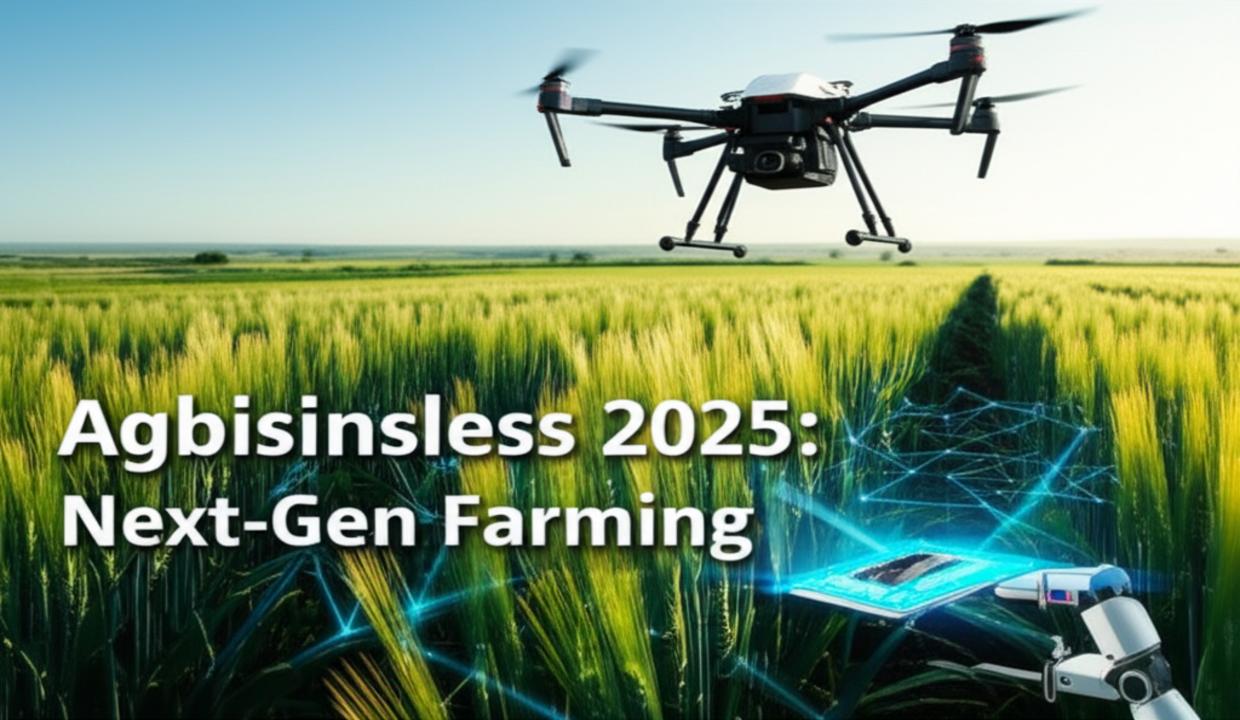
The global agricultural landscape is evolving at an unprecedented pace, driven by innovation, sustainability, and changing consumer demands. As we step into 2025, the agribusiness sector presents a wealth of exciting agribusiness opportunities for both seasoned farmers and ambitious startups. This article explores the key trends, challenges, and lucrative ventures poised to shape the future of food production.
From cutting-edge technology to eco-friendly practices, agribusiness opportunities in 2025 are defined by resilience and forward-thinking approaches. We’ll delve into how integration of advanced tech, sustainable practices, and new market models are fostering a vibrant environment for growth.
Seizing Agribusiness Opportunities in 2025
The year 2025 is set to be a transformative period for agriculture, marked by significant shifts in technology, environmental consciousness, and market structures. Understanding these underlying currents is crucial for anyone looking to invest or innovate in the sector.
Emerging trends like climate resilience and evolving consumer preferences are reshaping the industry. This creates new pathways for profitability and impact, moving beyond traditional farming methods. It’s an exciting time to be part of agricultural innovation.
Climate-Smart & Regenerative Agriculture
Regenerative agriculture is no longer a niche concept; it’s becoming a mainstream necessity. Practices such as no-till farming, cover cropping, and integrated pest management are gaining widespread adoption. These methods help maintain robust crop yields while actively mitigating climate risks, building healthier soils.
Investing in these sustainable practices is also attracting significant attention from Environmental, Social, and Governance (ESG) criteria-aligned investors. This alignment creates a compelling case for financial support, making it a prime area for farming business opportunities. It offers a double benefit of environmental stewardship and economic viability.
AgTech and AI Integration: The Smart Farming Revolution
Artificial intelligence (AI) is at the forefront of revolutionizing precision agriculture. Through real-time crop monitoring, advanced predictive analytics, and data-driven decision-making, AI optimizes efficiency and enhances sustainability across the entire farm operation. This allows for more precise resource management, reducing waste.
Furthermore, breakthroughs in AgBiotech are significantly enhancing crop resilience and improving soil health. These advancements lead to stronger plants better equipped to withstand environmental stresses and contribute to a more sustainable agricultural system. Explore more agrotech trends for 2025.
From automated irrigation systems to drone-based crop health assessments, the integration of technology is making farms smarter and more productive. This wave of innovation offers fertile ground for agri startup ideas focusing on software, hardware, or biotech solutions. The future of farming is undeniably digital.
Waste-to-Value Circular Bioeconomy
Transforming agricultural waste into valuable resources is a rapidly expanding segment of the agribusiness sector. This involves converting by-products like crop residue or animal waste into biofuels, bioenergy, and even bioplastics. Such processes provide significant environmental benefits by reducing pollution and reliance on fossil fuels.
Beyond environmental gains, the circular bioeconomy opens up entirely new revenue streams for farmers and entrepreneurs. It’s about viewing waste not as a problem, but as a resource with untapped potential. This innovative approach fosters a more sustainable and economically viable agricultural ecosystem.
Digital Marketplaces & Direct-to-Consumer Models
The rise of new digital platforms is empowering farmers to bypass traditional intermediaries, leading to improved market access and higher profit margins. These direct-to-consumer (D2C) models allow producers to connect directly with consumers, building brand loyalty and ensuring fair prices for their produce.
Vertical integration, from direct production to processing and distribution, further enhances quality control and profitability. This holistic approach ensures consistency and allows businesses to capture more value throughout the supply chain. It’s a powerful strategy for building robust and resilient agribusinesses in 2025.
Urban and Self Agriculture: Growing Local
Urban farming is projected to experience substantial growth, with an anticipated increase of 30% in 2025. This surge is primarily driven by mounting sustainability concerns, the desire for fresh, local food, and the ongoing expansion of urban populations. It offers fresh produce closer to consumers.
Self-agriculture, which emphasizes localized food production and reduced dependency on complex supply chains, also presents significant entrepreneurial opportunities. Individuals and communities are embracing this model for greater food security and environmental benefits. It’s an exciting path for developing sustainable local food systems.
Whether it’s rooftop gardens, vertical farms, or community-supported agriculture (CSA) initiatives, these models are reshaping how cities interact with food production. They offer avenues for social impact alongside commercial viability, making them attractive agri startup ideas for the future. Consider how you can grow yourself with these agriculture business trends.
ESG & Sustainable Finance Driving Investment
A growing number of agribusiness investors are actively seeking opportunities aligned with Environmental, Social, and Governance (ESG) standards. This reflects a broader societal push towards sustainability and responsible investing. Green bonds and impact investing are becoming popular mechanisms for channeling capital into sustainable agricultural ventures.
Businesses that can demonstrate a strong commitment to environmental stewardship, social equity, and robust governance are more likely to attract significant investment. This trend underscores the importance of integrating sustainability into core business strategies, not just as a marketing tool. It’s about building long-term value.
Navigating Market Challenges in 2025
Despite the promising opportunities, the agriculture sector faces persistent challenges that can impact profitability and growth. These include the inherent volatility of commodity prices, which can fluctuate unexpectedly. High input costs for fertilizers, fuel, and seeds also squeeze profit margins for farmers.
Trade uncertainties, often influenced by geopolitical factors and policy changes, add another layer of complexity. Furthermore, labor issues, including shortages and rising wages, remain a significant concern for many agricultural operations. For a detailed outlook, review the farm agriculture economic outlook for 2025.
Successfully navigating these challenges requires robust risk management strategies, innovative business models, and a keen awareness of global market dynamics. Adapting to change and embracing new technologies will be crucial for resilience and sustained success in 2025.
Global Agribusiness Innovation Hubs
Events like the IFAMA 2025 Conference in Brazil highlight the critical importance of international collaboration in advancing sustainable food systems. These forums bring together experts to discuss emerging technologies, innovative agribusiness models, and strategies for adaptive transformation within the sector. You can learn more about the IFAMA 2025 Conference overview.
Such global gatherings underscore the collective effort required to address complex agricultural challenges and capitalize on new opportunities. They serve as vital platforms for knowledge exchange, networking, and forging partnerships that drive progress in agribusiness worldwide. Staying connected globally is key.
Pros and Cons of Agribusiness in 2025
| Pros | Cons |
|---|---|
| High demand for food globally. | Volatile commodity prices. |
| Integration of advanced AgTech & AI. | High initial input costs. |
| Growth in sustainable and regenerative practices. | Trade uncertainties & market fluctuations. |
| New market access via digital platforms. | Labor shortages and rising wages. |
| Increased ESG and impact investing. | Climate change risks (e.g., extreme weather). |
| Opportunities in urban & self-agriculture. | Competition from established players. |
| Waste-to-value creates new revenue streams. | Regulatory complexities. |
Watch More in This Video
This video titled “Top AgTech Trends & Investment Opportunities in 2025” offers detailed insights into the latest developments in AI in agriculture, regenerative farming, and market innovations. It serves as an excellent visual companion to the themes discussed in this article, providing expert commentary and real-world case studies.
Frequently Asked Questions About Agribusiness in 2025
- What are the biggest agribusiness opportunities in 2025?
The largest opportunities lie in climate-smart and regenerative agriculture, widespread AgTech and AI integration, developing waste-to-value circular bioeconomy models, expanding digital marketplaces for direct sales, and growth in urban and self-agriculture initiatives. These areas combine sustainability with profitability, reflecting global trends. - How can startups enter the agribusiness sector in 2025?
Startups can focus on niche markets such as developing precision agriculture software, creating sustainable packaging solutions, building direct-to-consumer platforms for local produce, or offering consulting services for regenerative farming. Identifying a specific problem and offering an innovative, tech-driven solution is key. - What role does technology play in farming business opportunities for 2025?
Technology, particularly AI and AgTech, is pivotal. It enables precision farming, optimizes resource use, enhances crop resilience through biotech, and creates new sales channels. Drones, sensors, and data analytics improve decision-making and efficiency, making operations smarter and more sustainable. - Are there specific agriculture trends 2025 that focus on sustainability?
Absolutely. Sustainability is a core theme. Key trends include the mainstream adoption of regenerative agriculture practices, the shift towards a circular bioeconomy (waste-to-value), and a significant increase in ESG-aligned investments. Consumers and investors are increasingly prioritizing eco-friendly and ethical practices. - What are the main challenges for agribusiness in 2025?
Despite the opportunities, challenges include volatile commodity prices, high input costs, ongoing trade uncertainties, and labor shortages. Climate change also poses risks like extreme weather events. Businesses must implement strong risk management and adapt quickly to market shifts to succeed.
Conclusion
Agribusiness in 2025 is characterized by a dynamic blend of innovation, sustainability, and market adaptation. The shift towards climate-smart practices, the pervasive integration of AgTech and AI, and the emergence of circular economy models signal a sector ripe with potential. Furthermore, the growth of urban and self-agriculture highlights a societal move towards localized, resilient food systems.
While challenges such as market volatility and input costs persist, the opportunities for growth and positive impact are immense. For farmers and startups alike, understanding these trends and embracing new technologies will be crucial for thriving in this evolving landscape. The future of food is not just about feeding the world, but doing so sustainably and intelligently. We encourage you to explore these ventures and contribute to a more resilient agricultural future.
For more insights, feel free to contact us or learn About Us. Your journey into agribusiness innovation starts now! #Agribusiness2025 #FutureOfFarming
Disclaimer: All images and videos are sourced from public platforms like Google and YouTube. If any content belongs to you and you want credit or removal, please inform us via our contact page.