
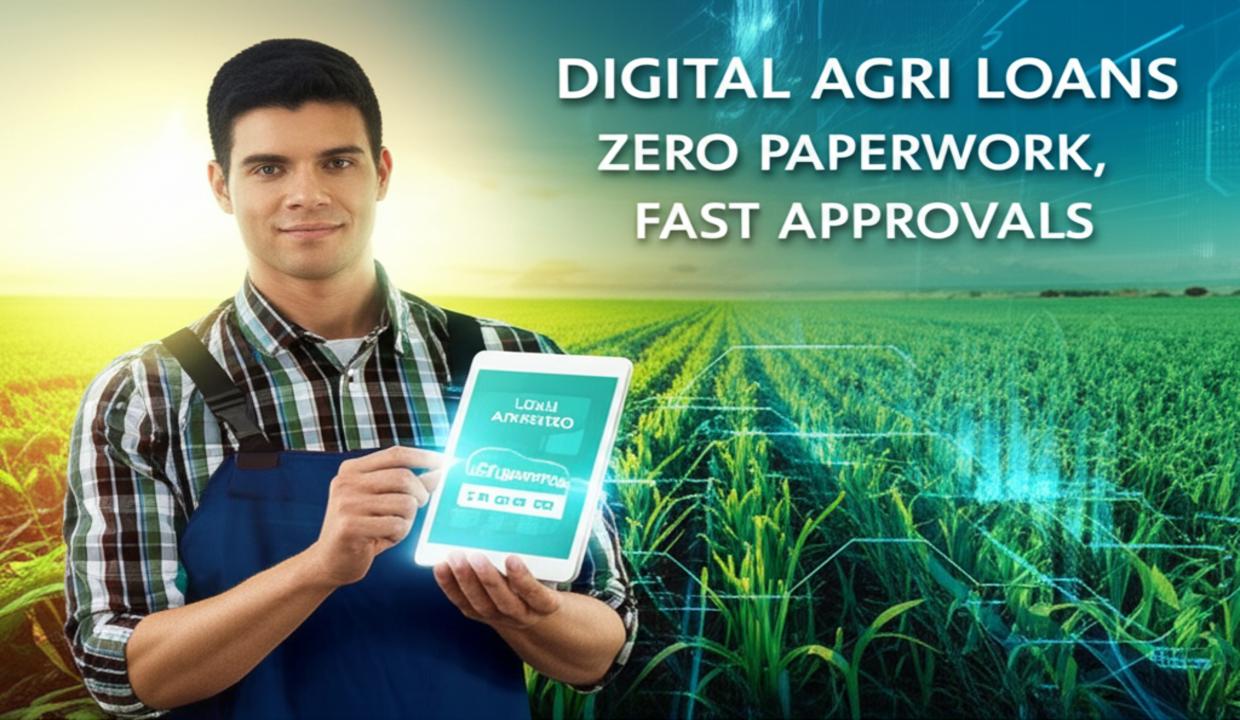
The landscape of agricultural finance is undergoing a revolutionary transformation, driven by innovative technology and a relentless focus on efficiency. For far too long, farmers have grappled with cumbersome, paper-intensive loan applications, facing lengthy approval processes and limited access to much-needed capital. This traditional model often created significant hurdles, delaying crucial investments in equipment, land, or operational improvements. But imagine a world where securing farmer loans is as simple as a few clicks, without a single piece of paper changing hands. This vision is now a reality, thanks to cutting-edge agri lending platforms offering truly zero-papermanship lending solutions.
These groundbreaking platforms are redefining how farmers access credit. By leveraging digital innovation, artificial intelligence (AI), and advanced data analytics, they streamline every step of the loan process. This means faster approvals, greater transparency, and ultimately, better financial inclusion for farmers worldwide. Join us as we explore the intricacies of these paperless farm loan solutions and their profound impact on modern agriculture.
Main Highlights: Agri Farmer Loan Platforms: Zero Papermanship Lending Solutions
The core promise of these modern agri lending platforms is to eliminate the inefficiencies and frustrations associated with traditional loan applications. They achieve this by digitizing every aspect of the process, from initial application to final disbursement and ongoing management. This shift from manual to automated processes not only saves time and resources but also significantly enhances the accuracy and fairness of lending decisions.
Farmers can now experience a seamless, secure, and transparent journey in acquiring the financial support they need. These platforms represent a pivotal step towards a more accessible and equitable future for agricultural finance, addressing long-standing challenges with innovative solutions. They empower farmers to focus on what they do best: cultivating the land and feeding the world, without being bogged down by bureaucratic red tape.
Core Technologies and Features
The technological backbone of these zero-papermanship lending solutions is robust and multi-faceted. They are built on advanced fintech principles, integrating various digital tools to create an end-to-end, friction-free experience. The cornerstone of these platforms is their ability to automate processes that were once labor-intensive and error-prone.
- Fully Digital Loan Origination and Application: Say goodbye to stacks of forms and endless photocopying. Farmers can now complete their entire loan application online from anywhere, anytime. These systems offer real-time tracking of loan status, providing unparalleled transparency. Eligibility checks are performed instantly, giving applicants immediate feedback on their potential for approval.
- Automated Underwriting and Risk Scoring: This is where AI truly shines. Instead of manual reviews, sophisticated algorithms, powered by predictive analytics and geospatial data, assess creditworthiness and loan risk. This intelligent system can analyze vast amounts of data, including historical farm performance, market trends, and even weather patterns, to make precise and unbiased lending decisions without any manual paperwork.
- Integration of Remote Sensing, IoT, and Farm Data: Modern agri platforms connect directly to real-time farm data sources. This includes information from IoT sensors monitoring soil moisture, crop health, and weather conditions, as well as data from farm management systems. This real-time monitoring provides lenders with an accurate, up-to-the-minute understanding of farm assets and operations, significantly improving risk management and tailoring loan products more effectively.
- Collaboration Across Multiple Lenders: Innovative API-first banking technologies enable these platforms to foster multi-lender ecosystems. This means farmers can potentially access offers from various financial institutions through a single application. This collaboration permits seamless and transparent handling of complex deal structures and distributed credit, increasing competition among lenders and offering farmers more favorable terms.
- End-to-End Loan Lifecycle Management: From the moment a farmer applies, these platforms manage the entire loan journey. This includes automated onboarding and verification (Know Your Customer/Anti-Money Laundering compliance), through to ongoing monitoring, repayment scheduling, and even debt consolidation options. Integrated tools facilitate efficient data entry, comprehensive reporting, and proactive customer relationship management, dramatically reducing friction at every stage.
- No Paper Forms or Manual Data Entry: This is the hallmark of zero-papermanship. Digital workflows and smart contracts entirely replace traditional paperwork. This not only slashes operational costs for lenders and farmers but also accelerates approval times from weeks to days, or even hours. Enhanced transparency is a natural byproduct, as all interactions and documentation are digitally recorded and accessible.
The 2025 Landscape of Agri-Lending
As we navigate through 2025, the trajectory of agricultural finance is clearly defined by rapid technological adoption. The focus remains squarely on enhancing accessibility, efficiency, and fairness for farmers seeking loans. The integration of cutting-edge technologies like AI and API-based ecosystems is not just a trend but a fundamental shift, revolutionizing farm credit systems, particularly in regions like the U.S.
These advancements underscore a global trend: the full digitization of agri-finance. This means less bureaucracy, more immediate responses, and highly personalized financial products. The commitment to zero-paper workflows and real-time, data-driven decision-making is empowering farmers with unprecedented speed and transparency in their financial dealings. The future of farmer loans is undeniably digital, providing robust support for agricultural ventures. #FutureFarming
Enhanced Security and Data Privacy
In a world increasingly reliant on digital transactions, the security and privacy of sensitive financial and farm data are paramount. Agri lending platforms are built with state-of-the-art cybersecurity measures to protect user information. They employ advanced encryption protocols, multi-factor authentication, and regular security audits to safeguard data from unauthorized access.
Compliance with global data protection regulations, such as GDPR and CCPA, is also a key consideration. Platforms prioritize transparent data handling policies, ensuring farmers understand how their information is used and protected. This commitment to security builds trust and encourages broader adoption of these innovative paperless farm loans, making digital transactions a safe and reliable option for agricultural communities.
Benefits and Considerations
The advantages of migrating to agri lending platforms are manifold, impacting both farmers and financial institutions. However, like any major technological shift, there are also important considerations to address for optimal success.
| Pros | Cons / Considerations |
|---|---|
| Faster loan approval and disbursement cycles significantly reduce farmer wait times, enabling quicker access to funds for seasonal needs or urgent investments. | Ensuring user-friendly interfaces remains critical, especially for farmers in rural areas who may have varying levels of digital literacy. |
| Greater access to credit is facilitated by improved risk analysis models and the ability for multiple lenders to collaborate, opening doors for previously underserved segments. | Internet accessibility and reliable connectivity are essential, particularly in remote agricultural regions where infrastructure can be limited. |
| Enhanced transparency and communication between lenders and farmers foster greater trust and clarity throughout the loan lifecycle. | Navigating complex regulatory environments calls for embedded RegTech (Regulatory Technology) to ensure continuous compliance and enable scalable operations across different jurisdictions. |
| Improved financial inclusion, especially for smallholder farmers and those traditionally underserved by conventional banks, empowers a wider range of agricultural producers. | The initial investment in technology infrastructure and staff training can be substantial for financial institutions transitioning to these digital models. |
| Reduced operational costs for lenders are achieved through automated workflows, leading to more efficient resource allocation and potentially lower interest rates for farmers. | Data privacy and cybersecurity concerns must be rigorously addressed to maintain farmer trust and protect sensitive financial and agricultural information. |
| Continuous integration of emerging technologies like blockchain and advanced IoT can further secure and optimize loan processes, making them more resilient and efficient. | The digital divide can exacerbate inequalities if efforts aren’t made to provide training and access for all farmers, regardless of their technological proficiency. |
Deep Dive into Agri-Lending Innovation
The transformation of agricultural finance is not just about moving forms online; it’s about fundamentally rethinking how credit is assessed, distributed, and managed. The innovation in this sector is driven by a confluence of technologies:
- Predictive Analytics: Beyond basic credit scores, these systems analyze granular data to forecast crop yields, market prices, and even potential weather risks, giving lenders a more holistic view of a farmer’s financial health and future prospects. This allows for more dynamic and responsive loan offerings.
- Blockchain Technology: While still nascent in some areas of agri-lending, blockchain holds immense potential. It can create immutable records of transactions, contracts, and even commodity movements, enhancing transparency and trust. Smart contracts on the blockchain could automate disbursements based on predefined conditions, further reducing manual intervention and speeding up processes for paperless farm loans.
- API-First Ecosystems: Application Programming Interfaces (APIs) are the glue connecting disparate systems. They enable seamless data exchange between farm management software, weather services, financial institutions, and government agencies. This interconnectedness fosters a robust ecosystem where various players can collaborate to offer integrated services and holistic financial solutions to farmers.
These interconnected technologies create a powerful synergy, pushing the boundaries of what’s possible in agricultural finance and fostering a more resilient and responsive lending environment. It’s a testament to how technology can empower traditional industries.
FAQ
- What are zero-papermanship lending solutions?
These are digital platforms that enable farmers to apply for and manage loans entirely online, without any physical paperwork. They use technologies like AI, data analytics, and digital workflows to automate the entire loan process from application to disbursement and repayment. This significantly speeds up approvals and reduces administrative burdens for both farmers and lenders. - How do these platforms assess loan risk without traditional documents?
Modern agri lending platforms use advanced algorithms, AI, and predictive analytics to assess risk. They integrate various data sources, including geospatial data, IoT sensor readings from farms, historical farm performance, market trends, and even satellite imagery. This provides a comprehensive and real-time view of a farmer’s creditworthiness and operational health, leading to more accurate risk scoring. - Are paperless farm loans more secure than traditional ones?
Yes, generally. Digital platforms employ robust cybersecurity measures, including advanced encryption, multi-factor authentication, and secure cloud storage, to protect sensitive financial and personal data. Unlike paper documents that can be lost or physically compromised, digital records are secured against unauthorized access and are often backed up redundantly, enhancing overall security and privacy. - Can smallholder farmers benefit from these digital platforms?
Absolutely. A major benefit of these platforms is improved financial inclusion. By automating processes and leveraging alternative data sources, lenders can assess the creditworthiness of smallholder farmers who might lack traditional collateral or extensive credit histories. This opens up access to vital credit, enabling them to invest in their farms and improve their livelihoods. - What kind of technologies are integrated into these agri lending platforms?
These platforms integrate a wide array of technologies, including Artificial Intelligence (AI) for automated underwriting, Machine Learning for predictive analytics, Internet of Things (IoT) for real-time farm data monitoring, remote sensing (e.g., satellite imagery) for geospatial analysis, and API-first architectures for seamless data exchange and multi-lender collaboration. Blockchain is also an emerging technology being explored for enhanced transparency and security.
Conclusion
The evolution of agri lending platforms towards zero-papermanship solutions marks a pivotal moment in agricultural finance. By embracing digital innovation, these platforms are dismantling traditional barriers, offering farmers unprecedented access to quick, transparent, and fair credit. The journey towards truly paperless farm loans is not just about convenience; it’s about empowering the backbone of our economy – our farmers – to thrive in an increasingly complex world.
As technology continues to advance, we can expect even more sophisticated and integrated solutions that will further optimize the lending process. This commitment to efficiency and financial inclusion ensures a more prosperous and sustainable future for agriculture globally. We encourage you to explore these innovative platforms and consider how they can transform your approach to securing farmer loans.
For more insights into the agricultural sector and financial innovations, feel free to read other articles on our site, or contact us for more information.
Watch More in This Video
Disclaimer: All images and videos are sourced from public platforms like Google and YouTube. If any content belongs to you and you want credit or removal, please inform us via our contact page.