
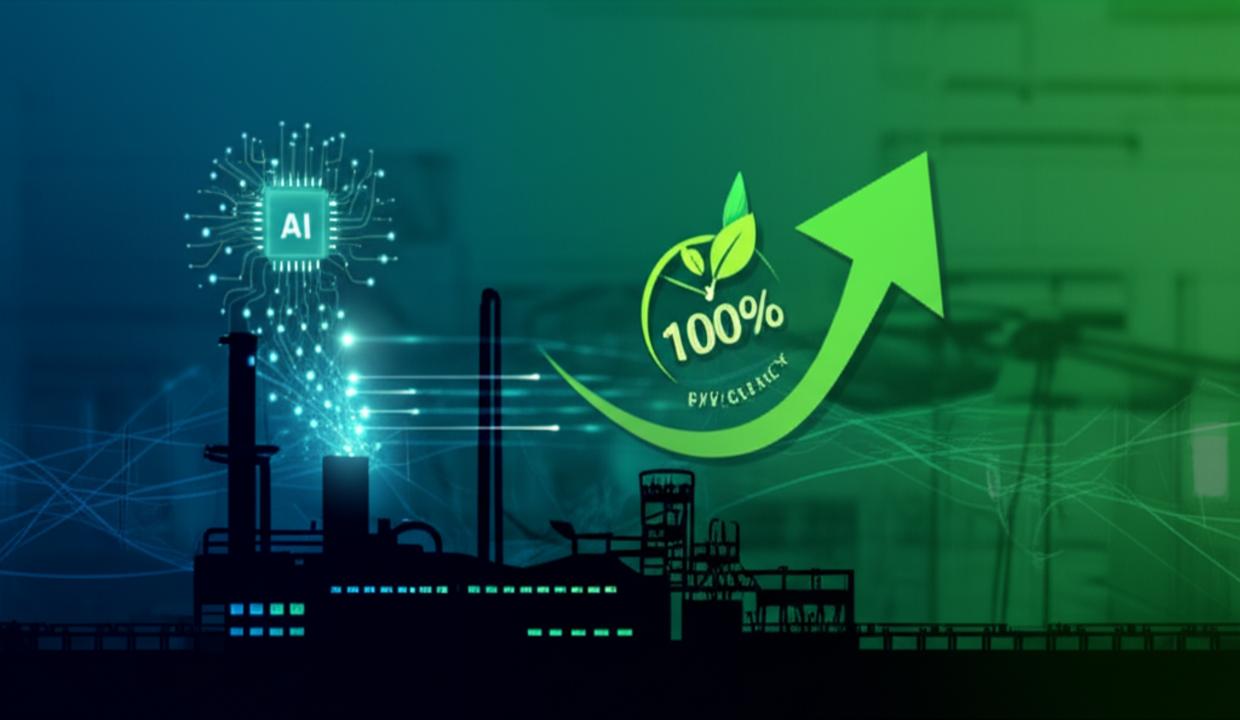
In today’s rapidly evolving industrial landscape, Excellent AI Energy Audits for MSME Factories stands at the forefront of a sustainability revolution. Micro, Small, and Medium-sized Enterprises (MSMEs) are the backbone of many economies, yet they often grapple with optimizing energy consumption due to resource constraints and dispersed operations. This article delves into how AI-powered energy audits for MSME factories are transforming how these businesses approach energy efficiency, offering unprecedented opportunities for cost reduction, environmental stewardship, and operational resilience. We’ll explore the core principles, tangible benefits, and future potential of integrating artificial intelligence into industrial energy management.
The journey towards sustainable manufacturing begins with understanding where energy is consumed and lost. Traditional energy audits, while valuable, can be labor-intensive, time-consuming, and provide only a snapshot in time. AI brings a dynamic, data-driven approach, enabling continuous monitoring and precise identification of inefficiencies. This shift is not just about saving money; it’s about building a more sustainable and competitive future for MSMEs.
How AI Transforms Energy Audits for MSMEs
At its heart, an AI energy audit leverages sophisticated artificial intelligence technologies to analyze complex energy consumption patterns within a factory. Unlike conventional methods, AI integrates vast amounts of data from diverse sources. Think of it as a vigilant, intelligent assistant that never blinks, constantly monitoring your factory’s pulse.
The working principle is surprisingly elegant yet powerful. AI systems connect to smart meters, Internet of Things (IoT) devices, and an array of sensors strategically placed throughout the factory. These devices continuously feed real-time data on energy usage from individual machines, entire production lines, and even facility infrastructure like lighting and HVAC systems. This flood of data, too vast for human analysis alone, becomes the raw material for AI.
Machine learning models then take over, analyzing this continuous stream of information. They are trained to detect anomalies, identify subtle inefficiencies, and pinpoint wasteful patterns that might otherwise go unnoticed. For instance, an AI might detect a sudden spike in energy use by a specific machine outside its normal operating hours, indicating a potential malfunction or idle power consumption. These insights allow MSMEs to target improvements with minimal manual intervention, leading to substantial factory energy saving.
This proactive, data-driven approach is a game-changer. It shifts energy management from reactive problem-solving to predictive optimization, ensuring that energy is used as efficiently as possible, all the time. The transition to AI-driven insights marks a significant leap forward in the quest for comprehensive industrial energy audits.
Unlocking Efficiency: Core Benefits of AI-Powered Audits
The adoption of AI in energy audits brings a wealth of benefits, directly addressing the unique challenges faced by MSMEs. These advantages extend beyond mere cost savings, impacting environmental performance and operational agility.
- Precision in Consumption Patterns: AI quantifies nebulous or complex energy consumption patterns with remarkable accuracy. This precision spotlights significant potential for reduction, with studies suggesting up to 10% potential reduction in greenhouse gases by 2030 through energy savings.
- Continuous Monitoring and Real-time Feedback: Unlike one-off audits, AI-powered systems support ongoing continuous monitoring. They provide real-time feedback loops, allowing MSMEs to maintain efficiency and dynamically adjust operational parameters. This prevents energy wastage from accumulating over time, ensuring sustained optimal energy intelligence.
- Facilitating Virtual and Non-Intrusive Audits: AI enables virtual audits that non-intrusively analyze energy use. This means energy service companies (ESCOs) and MSMEs can prioritize investments and operational changes without disruptive or invasive interventions on the factory floor. It saves time and minimizes production downtime, crucial for small businesses.
- Highlighting Optimization Opportunities: AI doesn’t just identify problems; it pinpoints solutions. It highlights opportunities for critical areas like equipment upgrades, process optimization, precise HVAC control, and even the seamless integration of diverse energy sources, such as renewables and battery storage.
These applications demonstrate how AI energy audits are not just about finding leaks, but about building a holistic, efficient energy ecosystem within the factory. They empower MSMEs to make informed decisions that drive both economic and environmental benefits, accelerating their journey towards robust MSME energy efficiency.
The Technological Backbone: Powering Smart Energy Management
The efficacy of AI-powered energy audits for MSME factories hinges on a suite of advanced and interconnected technologies working in harmony. These components form the foundation for intelligent energy management, converting raw data into actionable insights.
At the forefront are smart meters and the Internet of Things (IoT) devices. These are the eyes and ears of the AI system, collecting granular energy consumption data from every corner of the factory. From individual motors to entire production lines, IoT sensors provide real-time metrics, far beyond what traditional metering could offer.
This massive influx of data requires robust data analytics platforms. These platforms are designed to process, store, and organize the information efficiently. They lay the groundwork for AI algorithms to operate effectively, ensuring data integrity and accessibility.
Cloud computing plays a pivotal role by providing scalable infrastructure for data storage and processing. MSMEs can leverage cloud services without significant upfront hardware investments, making advanced energy audits accessible. The cloud also facilitates remote monitoring and analysis, enabling virtual audits and collaborative management.
Finally, the brain of the operation: AI algorithms. These include sophisticated machine learning models capable of pattern recognition, anomaly detection, and predictive analytics. Specific applications of these algorithms in energy management include predictive maintenance for machinery (anticipating failures that lead to energy waste) and energy demand modeling (forecasting future energy needs to optimize supply and reduce peak demand charges). This combination of technologies ensures comprehensive and intelligent industrial energy audits.
Tailored Impact: Why AI Matters for MSME Factories
MSMEs face unique challenges that make generalized energy solutions less effective. These enterprises are often characterized by dispersed operations, diverse equipment, and, critically, resource constraints. AI-driven solutions are uniquely positioned to address these specific pain points, fostering genuine MSME energy efficiency.
One significant hurdle for MSMEs is the initial investment and the perceived complexity of adopting new technologies. AI-powered energy audits, especially those offered as a service, can reduce this barrier by providing clear, data-backed return on investment projections. They demystify energy consumption, making it understandable and manageable for small-scale manufacturing settings.
Collaborative efforts are key to widespread adoption. Projects like the Legnano Green Deal (LGD) exemplify how municipalities, manufacturers’ associations, academia, and energy agencies can come together. Their goal is to foster a sustainability culture and actively support MSMEs in adopting advanced measures, including AI-driven energy audits and other efficiency initiatives. This collective approach helps overcome individual resource limitations.
The ability of AI to analyze unique operational characteristics, such as variable production schedules or diverse machinery types, means that recommendations are highly tailored. This prevents a one-size-fits-all approach, which often yields suboptimal results for smaller enterprises. By focusing on specific areas of improvement, MSMEs can achieve maximum factory energy saving with minimal disruption, making the transition to a more sustainable operation both practical and profitable.
Driving Innovation: Recent Advancements in Industrial Energy Audits
The field of AI-powered energy management is dynamic, with continuous breakthroughs enhancing its capabilities and accessibility for MSMEs. Recent empirical research provides strong evidence of AI’s transformative power in manufacturing.
Studies indicate that the adoption of AI significantly improves total factor energy efficiency in manufacturing industries. This improvement is not uniform; AI can adapt to and promote technological progress across different industry-specific heterogeneities, proving its versatility in complex industrial environments. This contributes to the overall effectiveness of AI energy audits.
One notable advancement involves platforms that combine AI with occupancy and climate data to optimize HVAC (Heating, Ventilation, and Air Conditioning) energy use. Such systems have demonstrated the ability to reduce HVAC energy consumption by up to 20%, balancing comfort with substantial cost savings. These scalable solutions are perfectly suited for MSME facility needs, directly impacting their operational overhead. You can learn more about how AI boosts efforts to cut building energy use.
Furthermore, recent initiatives focus on integrating AI systems across different departments and partner networks. This holistic integration helps mitigate challenges posed by dispersed resources and siloed data within MSMEs. By creating a unified data ecosystem, AI ensures comprehensive energy management, breaking down barriers that previously hindered effective industrial energy audits. This holistic approach ensures that no aspect of energy consumption goes unmonitored or unoptimized, bolstering overall MSME energy efficiency.
Navigating the Road Ahead: Challenges and Future Outlook
While the potential of AI-powered energy audits for MSME factories is immense, their implementation is not without challenges. Addressing these hurdles is crucial for widespread adoption and maximal value realization.
One primary challenge is handling the sheer volume and velocity of data generated by smart meters and IoT devices. This “data overload” necessitates careful data curation and validation processes to maintain accuracy and integrity. Poor data quality can lead to flawed insights, undermining the effectiveness of the entire system. Ensuring robust data governance is key to reliable factory energy saving.
Another critical aspect is the need to combine AI tools with human expertise. While AI excels at processing data and identifying patterns, human insights are indispensable for interpreting complex situations, making strategic decisions, and implementing changes effectively. The synergy between AI’s analytical power and human operational knowledge yields the best results for energy management. It’s a partnership, not a replacement.
Looking to the future, as AI energy audits mature, further adoption in MSMEs is highly anticipated. This will enhance their resilience against volatile energy price spikes and supply disruptions, particularly by enabling the modeling and optimization of hybrid energy systems that combine various sources. Such systems can offer greater stability and predictability for energy costs.
Continuous monitoring, coupled with advancements in generative AI, holds the potential to set new benchmarks and competitive comparisons for MSMEs within their sectors. This can foster sector-wide improvements in energy efficiency, creating a ripple effect of sustainable practices. The future promises even more intelligent and integrated solutions for comprehensive industrial energy audits. #EnergyRevolution
| Pros | Cons |
|---|---|
| Precision in identifying energy waste | Initial investment in AI/IoT infrastructure |
| Continuous, real-time monitoring | Requires careful data curation and validation |
| Significant cost reduction potential | Need for human expertise alongside AI tools |
| Lower carbon footprint and environmental impact | Complexity of integrating disparate systems |
| Improved operational efficiency and resilience | Dependence on reliable data connectivity |
| Tailored recommendations for MSME specific needs | Training staff on new AI-driven processes |
Watch More in This Video
The AltEnergyMag video “Implementing AI for Energy Efficiency in Manufacturing” (Sep 2024) provides excellent real-world examples. It elaborates on practical AI audit implementations, the benefits of continuous monitoring, and the expected impact on emissions and operational costs. This video is a valuable resource for gaining up-to-date practical insights into AI energy audits and their transformative power.
FAQ
- What is an AI-powered energy audit for MSMEs?
An AI-powered energy audit for MSME factories utilizes artificial intelligence and machine learning to analyze energy consumption data from smart meters and IoT devices. It continuously monitors usage patterns, identifies inefficiencies, and recommends optimal strategies for reducing energy waste and costs with minimal manual intervention. - How do AI energy audits differ from traditional audits?
Traditional energy audits are typically one-time assessments, providing a static snapshot. AI energy audits offer continuous, real-time monitoring and analysis, allowing for dynamic adjustments and ongoing optimization. AI can process vast datasets to uncover subtle inefficiencies that human-led audits might miss. - What specific technologies support AI energy audits?
Key supporting technologies include smart meters, Internet of Things (IoT) sensors, data analytics platforms, cloud computing for scalable data storage and processing, and advanced AI algorithms such as predictive maintenance and energy demand modeling. - Can MSMEs truly afford AI energy audit solutions?
Many AI energy audit solutions are now offered as service models, reducing the need for large upfront capital investment. The substantial factory energy saving and increased operational efficiency often lead to a rapid return on investment, making these solutions increasingly accessible and financially viable for MSMEs. - What are the main benefits for MSMEs adopting AI energy audits?
MSMEs can expect significant benefits, including quantified energy consumption patterns, up to 10% reduction in greenhouse gas emissions, continuous monitoring for sustained efficiency, reduced operational costs, and tailored insights for equipment upgrades and process optimization, enhancing overall MSME energy efficiency.
Conclusion
AI-powered energy audits for MSME factories represent a paradigm shift in industrial energy management. By harnessing the power of artificial intelligence, MSMEs can move beyond reactive measures to proactive, data-driven optimization. This leads to not only substantial cost savings and a reduced carbon footprint but also enhanced operational resilience against market fluctuations and supply chain disruptions.
The growing body of evidence from research and pilot programs globally underscores the transformative potential of these technologies. For MSMEs, embracing AI energy audits is not just an investment in efficiency; it’s an investment in a sustainable, competitive, and future-proof operation. We encourage you to explore these innovative solutions further and unlock the full potential of your factory’s energy management. Don’t forget to check out our Contact page for more information or if you have any questions.
Disclaimer: All images and videos are sourced from public platforms like Google and YouTube. If any content belongs to you and you want credit or removal, please inform us via our contact page.