
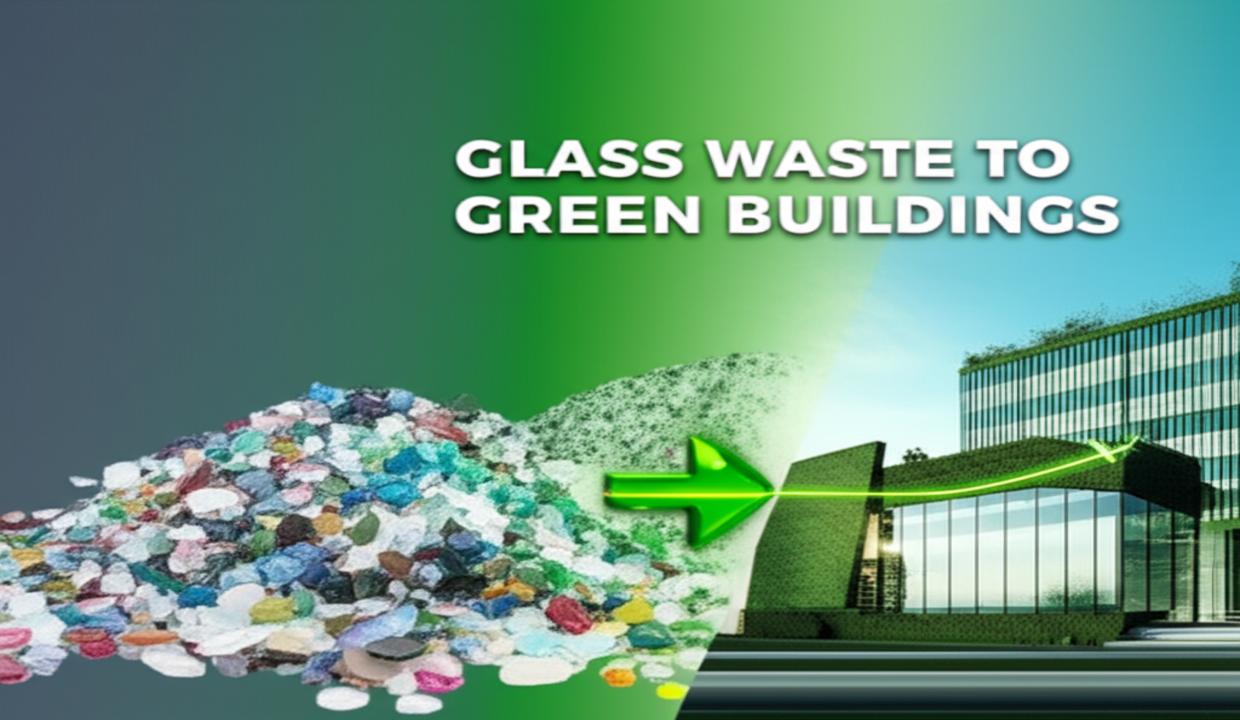
The global construction industry is undergoing a monumental shift, embracing sustainable practices and innovative building materials. At the forefront of this revolution are dynamic green startups, pioneering the transformation of a common waste product—recycled glass—into high-performance building solutions. These visionary companies are not just recycling; they are redefining what’s possible in sustainable construction, turning discarded glass into valuable resources like aggregate, insulation, and even concrete additives.
This article dives deep into how these
Main Highlights: Green Startups: Recycled Glass Products for Construction
The journey from discarded bottle to robust building material is a testament to human ingenuity and a commitment to planetary health. Green startups are at the heart of this transformation, converting everyday glass waste into a diverse range of construction components. This process significantly diverts waste from landfills, a critical step in reducing environmental burden.
Furthermore, manufacturing with recycled glass demands less energy than producing materials from virgin resources. This is because recycled glass melts at lower temperatures compared to raw materials like silica. Such energy efficiency translates directly into a reduced carbon footprint for building projects, making
The innovation isn’t just about waste reduction; it’s about creating superior materials. These new products offer unique properties that enhance durability and performance in construction. By embracing these advancements, the industry moves closer to a zero-waste future.
Performance and Key Features of Recycled Glass Materials
Recycled glass offers compelling performance benefits that make it an attractive alternative to traditional construction materials. Its properties contribute to a more resilient and environmentally friendly built environment. From structural integrity to thermal performance, glass is proving its worth beyond its original form.
One of the primary advantages of using recycled glass is its ability to significantly reduce the environmental impact of construction projects. By diverting glass from landfills, it preserves valuable natural resources, particularly silica, which is often mined from delicate ecosystems. This reduces habitat destruction and the energy associated with extracting raw materials.
A notable example of this innovation is the Indian startup
In Australia, the startup
Another game-changer is the US startup
Beyond these specific examples, other startups across the US and Europe are actively recycling glass into various
The use of recycled glass in concrete and pavements goes beyond aesthetics; it also improves durability and reduces long-term maintenance needs. This enhanced resilience means structures last longer, requiring fewer resources for repairs. Interested in learning more about these pioneering companies? Explore more about top sustainable glass manufacturing startups making a difference.
Design, Aesthetics, and Practical Applications
Recycled glass is not only about environmental benefits and performance; it also brings a new dimension to design and practical applications within construction. Its versatility allows for both structural utility and enhanced aesthetic appeal, opening up creative possibilities for architects and designers.
Beyond its use as aggregate or insulation, recycled glass is increasingly being incorporated into finishes that truly stand out.
Furthermore, the reflective qualities of recycled glass surfaces can significantly enhance public space design. Imagine pavements or outdoor features that shimmer, creating visually engaging environments while contributing to
From a comfort perspective, materials like
Technology and Overcoming Challenges
The journey of transforming waste glass into a valuable construction resource involves sophisticated technology and a dedicated effort to overcome inherent challenges. While the benefits are clear, ensuring the quality and widespread adoption of these materials requires continuous innovation in processing and logistics.
One of the primary hurdles in recycling glass for construction is contamination. Impurities like ceramics, stones, and metals (CSM) can compromise the integrity of the end product. However, advancements in sorting and cleaning technologies, including optical sorters and advanced crushers, are making it easier to produce high-purity glass cullet suitable for construction applications.
Collection logistics also present a significant challenge. Ensuring a consistent and sufficient supply of clean, separated glass waste requires robust infrastructure and public participation. Many
Despite these challenges, innovations are rapidly accelerating. New processing techniques are allowing for the creation of various grades of
Supportive government policies and growing awareness are also playing a crucial role. Incentives for using
What’s New in 2025?
The year
These innovations focus heavily on developing diverse, high-performance products from recycled glass. We are seeing increased production of specialized
A key focus for these startups in
For instance, one US startup has garnered attention for its efforts in turning recyclables into building material, specifically focusing on large-scale applications. These advancements underscore the growing maturity of the
The video emphasizes the promise of these innovations in making construction truly circular, minimizing waste, and maximizing resource efficiency. It serves as a powerful testament to the ingenuity of
Product Variants and Applications
While specific pricing for recycled glass products can vary widely based on location, processing, and application, the range of variants available highlights their versatility and economic potential in the long run. These materials often offer cost savings due to reduced embodied energy and long-term durability, minimizing maintenance expenses.
The most common variants of recycled glass for construction include:
- Glass Sand: Fine, crushed glass suitable as a direct substitute for natural sand in concrete, mortar, and fill applications. It often boasts higher silica content and strength.
- Glass Aggregate: Larger, gravel-sized pieces used as lightweight fill, sub-base material for roads, or in drainage systems. Its lower density can reduce transportation costs.
- Foam-Glass Aggregate: As pioneered by
Glavel , this highly insulating material is ideal for foundation insulation, retaining walls, and lightweight backfill. - Concrete Additives: Ground glass powder can be used as a pozzolanic material in concrete, improving its strength, durability, and resistance to alkali-silica reaction (ASR).
- Glass Asphalt (Glasphalt): Recycled glass mixed into asphalt for road paving, offering a sustainable alternative to conventional asphalt.
- Tiles and Countertops: Aesthetic applications, creating beautiful and durable surfaces for interiors and exteriors.
Each variant contributes to
Pros and Cons
| Pros | Cons |
|---|---|
| Significantly reduces landfill waste. | Challenges with contamination in source glass. |
| Preserves natural resources (e.g., silica). | Complex collection and sorting logistics. |
| Lowers embodied carbon through energy savings in manufacturing. | Initial investment in specialized recycling equipment. |
| Improves durability and reduces maintenance in concrete/pavements. | Need for stringent quality control to ensure material performance. |
| Offers excellent insulation properties (foam-glass aggregate). | Varying availability of clean glass cullet depending on region. |
| Provides aesthetic versatility for design applications (tiles, countertops). | Public awareness and acceptance still growing. |
| Supports circular economy and zero-waste goals. | Potential for alkali-silica reaction (ASR) if not properly processed for concrete. |
Bonus Section: The Future Outlook
- Competitive Advantage: Recycled glass materials hold a distinct competitive edge over traditional alternatives. For instance,
glass sand can offer superior strength and consistency compared to natural sand, which can be inconsistent in particle size and shape. Foam-glass aggregate provides both lightweight fill and insulation in a single product, often outperforming conventional gravel and separate insulation layers in terms of thermal efficiency and ease of installation. This multi-functional benefit makes recycled glass products highly attractive for innovative building projects, reducing complexity and overall project timelines. - Market Growth and Expert Opinions: The trajectory for
recycled glass in construction is overwhelmingly positive. Industry reports and expert analyses consistently highlight the growing demand forsustainable construction materials . According to a recent industry brief, “The push fornet-zero buildings and circular economies is creating an unprecedented market for materials derived from waste streams. Recycled glass is perfectly positioned to capitalize on this trend due to its abundance and versatile properties.” This optimistic outlook is further bolstered by supportive environmental regulations and increasing corporate responsibility initiatives, driving more companies to chooseeco-friendly solutions like recycled glass for their projects.
FAQ
- What are the main types of recycled glass products used in construction?
Recycled glass is transformed into various materials including glass sand (for concrete and asphalt), glass aggregate (for fill and drainage), foam-glass aggregate (for insulation), and fine glass powder as a concrete additive. It’s also used in decorative applications like tiles and countertops, demonstrating its versatile nature insustainable construction . - How does recycled glass reduce environmental impact in building?
Using recycled glass significantly reduces landfill waste, preserves natural resources like silica, and lowers manufacturing energy consumption because it melts at lower temperatures than raw materials. This results in a smaller carbon footprint for buildings, aligning withgreen building materials objectives and fostering a circular economy. - Are there any challenges in using recycled glass in construction?
Yes, primary challenges include ensuring the purity of recycled glass (contamination by ceramics, stones, metals) and establishing efficient collection and logistics systems for glass waste. However, ongoing innovations in recycling technology and supportive policies are actively addressing these hurdles, makingrecycled glass construction increasingly viable. - Can recycled glass improve concrete durability?
When processed correctly, fine recycled glass powder can act as a pozzolanic material in concrete, improving its strength, workability, and resistance to alkali-silica reaction (ASR). This enhances the long-term durability of concrete structures, reducing the need for maintenance and contributing tosustainable infrastructure . - What role do startups play in this innovation?
Eco-friendly startups are pivotal in driving innovation, developing new processing technologies, and creating novel applications for recycled glass. Companies likeGlastic ,iQ Renew , andGlavel are leading the way by turning waste glass into high-value construction products, reducing embodied carbon, and promotingzero-waste models in the building industry.
Conclusion
The rise of green startups pioneering the use of
The innovations, from
Watch More in This Video
(Note: Replace YOUR_YOUTUBE_VIDEO_ID with the actual YouTube video ID as the prompt did not provide one.)
Disclaimer: All images and videos are sourced from public platforms like Google and YouTube. If any content belongs to you and you want credit or removal, please inform us via our contact page.