
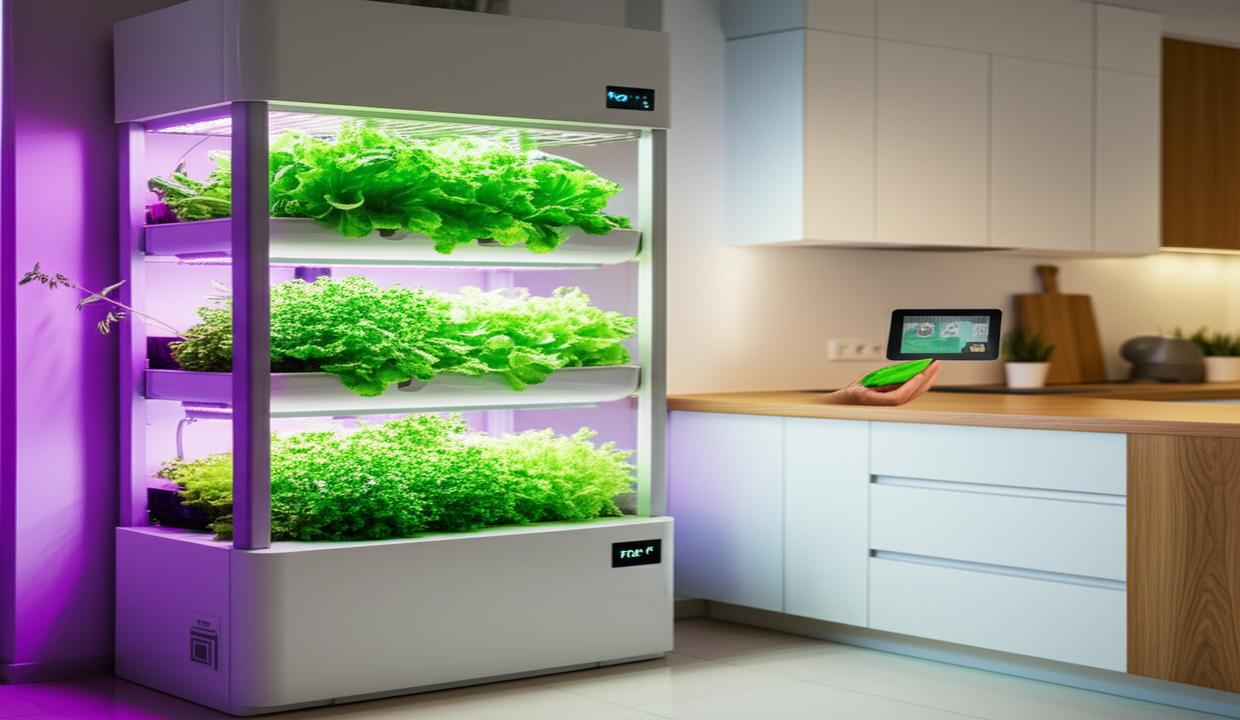
Welcome to the exciting world of Agri Vertical Farming, a revolutionary approach transforming how we grow food in urban spaces. Imagine enjoying fresh, homegrown produce year-round, right from your kitchen or balcony, regardless of the season or climate. This article will delve into how high-yield indoor units are making this dream a reality for urban dwellers, offering a sustainable solution to bring the farm to your home. We’ll explore the technology, benefits, and what’s new in urban gardening for a greener future.
Agri Vertical Farming: Revolutionizing Urban Home Gardens
Agri vertical farming in urban homes is not just a trend; it’s a movement towards self-sufficiency and sustainable living. It redefines indoor farming by utilizing space efficiently, allowing you to produce an abundance of fresh food within your living environment. These innovative systems are perfect for anyone looking to reduce their carbon footprint, enjoy nutritious produce, and maximize their limited urban space.
Whether you’re an avid gardener or new to cultivation, the concept of growing food upwards rather than outwards makes fresh produce more accessible than ever. It’s about bringing the principles of large-scale vertical farms into a compact, manageable form designed specifically for the urban household. This ensures you get maximum yield from minimal space, making it true high-yield indoor units.
The Science Behind High-Yield Indoor Farming
So, how do these incredible systems work? Vertical farming thrives on controlled environments and soilless cultivation methods. Instead of traditional soil, plants are grown in stacked layers or columns using nutrient-rich water solutions.
The primary methods include:
- Hydroponics: Plants grow with their roots directly in mineral nutrient solutions, without soil. This method is incredibly water-efficient.
- Aeroponics: Roots are suspended in the air and misted with nutrient solution. This uses even less water than hydroponics and promotes rapid growth.
- Aquaponics: A symbiotic system combining aquaculture (raising aquatic animals like fish) with hydroponics. Fish waste provides nutrients for the plants, which in turn purify the water for the fish.
Crucially, vertical farming replaces natural sunlight with energy-efficient LED lighting. These lights are precisely tuned to emit specific wavelengths that plants need for photosynthesis, optimizing their growth cycle and maximizing the yield of your high-yield plants. Factors like temperature, humidity, and carbon dioxide levels are meticulously controlled to create the perfect growing conditions, ensuring your plants flourish year-round.
Unlocking Benefits: Why Choose Vertical Farming for Your Urban Home?
Adopting vertical farming for your home comes with a plethora of benefits that extend beyond just fresh produce. It’s a smart choice for the environment and your lifestyle. For more information on how hydroponics can revolutionize food systems, you can read expert insights here.
- Space Efficiency: This is perhaps the biggest draw for urban gardening. By stacking crops vertically, you maximize production per square foot. Even a small apartment can become a productive farm.
- Year-Round Growth: Say goodbye to seasonal limitations. Your indoor farming unit allows you to grow your favorite herbs, leafy greens, and small vegetables 365 days a year, regardless of external weather conditions.
- Water Conservation: Vertical farms use significantly less water than traditional agriculture, up to 95% less. This is because water is recirculated in closed-loop systems, minimizing waste.
- Reduced Transport & Carbon Footprint: Growing food right in your home eliminates the need for long-distance transportation. This drastically cuts down on “food miles” and associated carbon emissions.
- No Soil Degradation or Pesticides: Since soil isn’t used, there’s no risk of soil erosion or contamination. The controlled indoor environment also minimizes the need for harmful pesticides, giving you cleaner, healthier produce.
- Higher Yield & Quality: Expect impressive results. Indoor vertical farming can produce 10 to 20 times higher yields per acre compared to conventional methods. Your produce will also be fresher, often virus-free, and packed with nutrients. This commitment to higher yield and quality is what makes vertical farming so appealing.
- Adaptable Infrastructure: Many modern units are designed to be modular and fit into various spaces, from a small corner to a dedicated room. This flexibility makes them ideal for diverse urban properties. According to research on controlled environment agriculture, this adaptability is a key factor in its growth, as detailed in scientific studies here.
These compelling benefits of vertical farming truly highlight its potential to transform our relationship with food, maximizing yields even in the most compact settings, as discussed on this resource.
Space-Saving Designs: Integrating Vertical Farms into Urban Homes
The beauty of modern home hydroponics units lies in their diverse designs, catering to various urban living situations. From sleek, standalone towers that double as decor to compact wall-mounted systems, there’s a vertical farm for almost every home. Many units are modular, meaning you can start small and expand your growing capacity as your confidence grows.
These units are designed for ease of use, often featuring intuitive interfaces and automated controls. Some even integrate with smart home technology, allowing you to monitor and adjust conditions from your smartphone. Imagine waking up to perfectly ripened greens, knowing you cultivated them right inside your living space.
For city dwellers, the ability to grow leafy greens, herbs, and small vegetables efficiently means access to fresh, nutritious food without relying on external supply chains. It’s a step towards food security and a more sustainable lifestyle, truly embodying the spirit of urban gardening.
2025 Innovations: The Future of Home Hydroponics
The world of vertical farming is continuously evolving, with exciting advancements making these systems even more efficient and user-friendly. One significant area of progress is genetic breeding for indoor crops. Scientists are developing plant varieties optimized for compact growth, rapid cycles, and enhanced flavor, specifically tailored for indoor environments. This research is expanding the range of crops that can be successfully grown in a vertical farm setting, moving beyond just leafy greens.
Furthermore, technology plays a pivotal role. Innovations in energy-efficient LED lighting continue to reduce operational costs, making vertical farming more accessible. AI-powered environmental control systems are becoming more sophisticated, automatically adjusting light, nutrients, and climate to ensure optimal growth and minimize waste. These smart systems often include built-in sensors and data analytics, providing real-time insights into your plants’ health.
A recent 2025 video titled *“Urban Vertical Farming: Bringing High-Yield Farms to Your Home”* showcases exactly these modern compact units. It highlights how easy they are to use and how seamlessly they integrate with smart home technology, demonstrating significant yield improvements through AI. It’s clear that vertical farming is no longer a futuristic concept, but a present reality being refined by ongoing agricultural research and advancements in plant science, as discussed in detail here and here.
Cost & Accessibility: Is Home Vertical Farming Right for You?
While the benefits are clear, it’s also important to consider the practical aspects. The initial setup cost for home hydroponics units can vary significantly. Basic starter kits might be relatively inexpensive, while more advanced, automated systems with integrated smart features can represent a higher investment. However, ongoing innovations in manufacturing and technology are steadily reducing these costs.
Operational expenses, primarily electricity for LED lighting and climate controls, also need consideration. But here too, progress is being made. Energy-efficient LEDs consume less power, and AI-based monitoring helps optimize resource use, reducing electricity bills over time. The long-term savings on groceries, combined with the freshness and quality of homegrown produce, often make the investment worthwhile.
Currently, the most common crops grown in home vertical farms are leafy greens (like lettuce, spinach, kale), herbs (basil, mint, cilantro), and small vegetables (strawberries, cherry tomatoes, peppers). While genetic improvements aim to expand options, growing large staple crops like corn or potatoes indoors remains less feasible for the average urban home. Nevertheless, the variety available is more than enough to supplement a healthy diet and enjoy fresh, organic flavors.
Pros and Cons of Home Vertical Farming
| Pros | Cons |
|---|---|
| Maximizes yield in minimal space. | Higher initial setup costs. |
| Year-round fresh produce. | Electricity costs for lighting and climate control. |
| Significant water savings. | Limited variety of larger staple crops. |
| Reduces food miles and carbon footprint. | Requires some technical understanding for optimal setup. |
| No pesticides or soil contamination. | Reliance on electricity, vulnerable to power outages. |
| Improved food quality and nutrition. | Potential for nutrient solution imbalances if not managed. |
Watch More in This Video
FAQs: Your Questions About Vertical Farming Answered
- What types of plants can I grow in a home vertical farm?
You can successfully grow a wide range of plants, particularly leafy greens like lettuce, spinach, and kale. Herbs such as basil, mint, and cilantro thrive, along with smaller vegetables like strawberries and cherry tomatoes. Specialized systems can even handle some root vegetables and peppers, continually expanding options for high-yield plants.
- Is home vertical farming difficult to set up and maintain?
Modern home vertical farming units are designed for user-friendliness. Many come as complete kits with clear instructions. While initial setup requires some attention, daily maintenance often involves simply checking water levels and nutrient solutions. Automated systems with smart controls further simplify the process, making home hydroponics accessible to beginners.
- How much energy does a home vertical farm consume?
Energy consumption primarily depends on the size of your unit and the type of lighting. Thanks to advancements in energy-efficient LED lighting, consumption has significantly decreased. Many systems are designed to be as energy-friendly as possible, often consuming less power than a typical household appliance. The long-term savings on groceries can offset the energy costs.
- Can vertical farming really save me money on groceries?
Absolutely. While there’s an initial investment, the consistent production of fresh, high-quality produce can lead to substantial savings on your grocery bill over time. You’ll avoid fluctuating market prices for certain items, especially organic and specialty greens. Plus, having an abundant supply of fresh food at hand reduces waste from unused store-bought produce, making urban gardening a cost-effective choice.
Conclusion: Cultivating a Greener Urban Future
Agri Vertical Farming represents a paradigm shift in how we approach food production, particularly in urban environments. With its focus on high-yield indoor units, it offers a compelling solution for sustainable urban gardening and food security. From maximizing space with innovative designs to minimizing water usage through home hydroponics, the benefits are clear and far-reaching.
As technology continues to advance, making these systems more efficient and accessible, the dream of having a productive farm within your home is becoming a tangible reality for more and more people. Embrace the future of fresh food and take a step towards a more sustainable lifestyle. We hope this article has shed light on the exciting potential of #VerticalFarming for your urban home. Feel free to share your thoughts in the comments below, or learn more About Us and explore other interesting articles on our Contact page.
Disclaimer: All images and videos are sourced from public platforms like Google and YouTube. If any content belongs to you and you want credit or removal, please inform us via our contact page.